 Reviews

 Proudly American
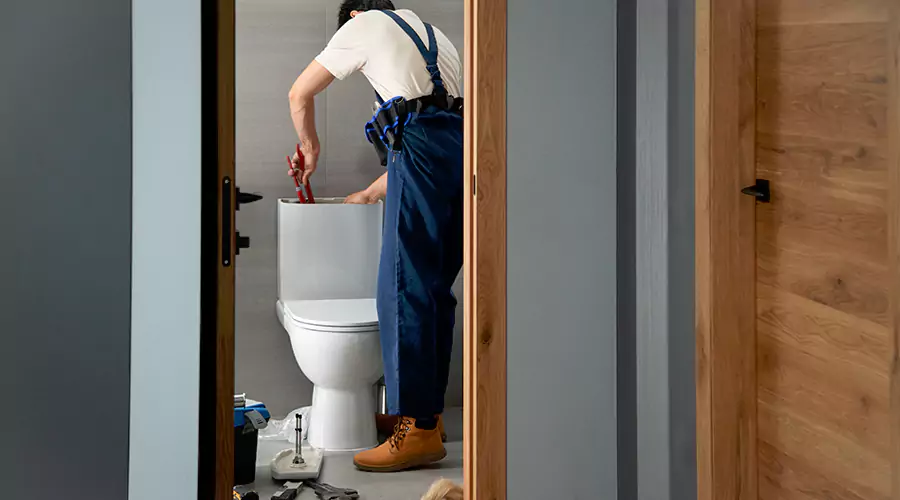
A running toilet wastes water, increases your bill, and can be annoying day and night. The good news is that most running toilet problems come from a few parts inside the tank, and you can usually fix them with basic tools in under an hour.
This guide walks you through how to diagnose the cause, make the right adjustment or replacement, and confirm your toilet is running normally again.
Why a Toilet Keeps Running?
A toilet “runs” when water keeps flowing into the tank or leaking from the tank into the bowl. Usually one of these is happening:
- The flapper is not sealing, so water leaks into the bowl
- The water level is set too high and spills into the overflow tube
- The fill valve does not shut off properly
- The chain is tangled or too tight
- The flush handle or flapper assembly is sticking
Tools and Supplies You Might Need
Most fixes are simple and do not require special gear.
Basic tools
- Adjustable wrench or pliers
- Small sponge or towel
- Flashlight
Common replacement parts
- Toilet flapper (match size and style)
- Fill valve (universal models are common)
- New supply line (optional if old or stiff)
Step 1: Identify the Type of Running Toilet
Remove the tank lid and look inside. Then do this quick test.
The overflow tube test
If you see water constantly trickling into the overflow tube, the water level is too high or the fill valve is not shutting off.
The silent leak test
If the toilet runs periodically, or you hear it refill randomly, it is often a flapper leak and a common toilet repair issue. Water leaks from the tank to the bowl until the fill valve refills the tank.
Step 2: Fix Water Level and Float Problems
If water is going into the overflow tube, start here.
Adjust the float
Most modern toilets have one of these float styles:
- Float cup on the fill valve
- Ball float on an older style arm
Float cup adjustment
- Look for an adjustment screw or a sliding clip on the fill valve.
- Lower the float slightly so the water stops below the top of the overflow tube.
Ball float adjustment
- Bend the float arm down slightly or adjust the screw if present.
The goal is the same: lower the tank water line.
Correct water level target
A good target is the water level sitting about 1 inch below the top of the overflow tube.
If adjusting the float does not stop the flow, the fill valve may be worn and should be replaced.
Step 3: Check the Flapper and Chain
If water is not going into the overflow tube, the flapper is the most likely cause.
Inspect the flapper
Look for:
- Warping or cracks
- A flapper that does not sit flat
- Mineral buildup around the seat
- A chain that is too tight or tangled
Fix the chain tension
The chain should have a little slack. If it is too tight, it can hold the flapper slightly open and cause constant leaking.
Quick fix
- Rehook the chain to a different hole on the flush lever
- Aim for just a small amount of slack
Clean the flapper seat
Wipe the rim where the flapper seals. A small amount of mineral buildup can prevent a tight seal.
Step 4: Replace the Flapper (Most Common Repair)
Replacing a flapper is inexpensive and often solves the issue immediately.
How to replace a flapper?
- Turn off the water at the shutoff valve behind the toilet.
- Flush to drain the tank.
- Remove the old flapper from the overflow tube pegs.
- Install the new flapper, making sure it sits flat.
- Attach the chain with slight slack.
- Turn water back on and test flush.
Tip: Toilets use different flapper sizes and designs. Bring the old flapper to the store to match it.
Step 5: Replace a Faulty Fill Valve
If the fill valve keeps running or will not shut off even with the float lowered, replacement is usually best.
Signs your fill valve is failing
- Water continues to flow after the tank reaches the correct level
- The toilet takes a long time to fill
- You hear hissing or inconsistent filling noises
How to replace the fill valve?
- Shut off the water and flush to empty the tank.
- Sponge out remaining water.
- Disconnect the supply line under the tank.
- Remove the locknut holding the fill valve in place.
- Install the new fill valve and tighten the locknut.
- Reconnect supply line and turn on water.
- Adjust float to set correct water level.
Most universal fill valves come with clear instructions and fit many toilets.
Step 6: Check the Overflow Tube and Flush Valve Assembly
If you replaced the flapper but still have issues, inspect the overflow tube area.
What to look for?
- A cracked overflow tube
- A damaged flush valve seat
- A flapper that does not match the toilet model
A damaged flush valve seat can prevent sealing, even with a new flapper. In that case, the fix may require replacing the flush valve assembly.
Troubleshooting Summary
Use this quick chart to choose the right fix:
- Water flowing into overflow tube: lower float, adjust water level, replace fill valve if needed
- Toilet refills randomly without visible overflow flow: replace flapper, adjust chain, clean seat
- Handle feels stuck or flapper stays open: adjust chain, check lever movement
- Still running after flapper and fill valve: inspect flush valve seat or overflow tube for damage
When to Call a Plumber?
Most running toilets are DIY friendly. Call a plumber if:
- The toilet is old and parts are corroded or difficult to remove
- You suspect cracks in the tank or bowl
- Replacing parts does not solve the leak
- Water is leaking outside the toilet, not just running inside
FAQ
How much water does a running toilet waste?
Even a small running toilet leak can waste a lot of water over time. Fixing it quickly helps lower utility costs.
Why does my toilet run mostly at night?
Water pressure can increase when demand is lower, making a weak valve or seal problem more noticeable.
Can I just jiggle the handle to stop it?
Jiggling might temporarily seat the flapper, but it does not fix the cause. A flapper or chain adjustment is usually the real solution.
Final Takeaway
To fix a running toilet, start by checking whether water is flowing into the overflow tube or leaking past the flapper into the bowl. Adjust the float to set the water level correctly, then inspect and replace the flapper if needed. If the fill valve will not shut off, replace it. With the right troubleshooting steps, most running toilet problems can be repaired quickly and affordably.